As we progress in our new decade, an invisible crisis is unfolding. In our digital age, where images can be manipulated effortlessly or generated entirely by artificial intelligence, our faith in what we see is crumbling.  Since we rely on our senses to make decisions about the world—particularly our senseContinue Reading
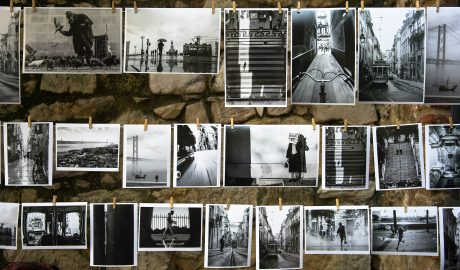

Black and white street photography displayed on a brick wall.

On January 14, 2014, photographer Narciso Contreras was dismissed by AP for editing a war photo, raising issues of journalistic integrity and trust. Recent advancements like the Content Credentials metadata framework aim to restore authenticity in images, flagging edits and AI involvement. Major tech companies, camera manufacturers, and news agencies are adopting this transparency standard, signaling a paradigm shift in the credibility of visual content.Continue Reading

assorted beans in white sacks

Major tech companies like Google, Meta, and OpenAI are labeling AI-generated images as “AI-generated” to distinguish them from authentic photos. These labels support the C2PA standard which is gaining industry support, emphasizing transparency for consumers and protection against deceptive imagery. An upcoming panel will discuss the effectiveness and future of these labeling practices, although the system isn’t foolproof due to the potential to manipulate image metadata. The industry is also exploring AI detection tools as another method to identify AI-generated content.Continue Reading

Lush green valley and winding river in a scenic mountain landscape.

Deepfake technology struggles with the uncanny valley not just in visuals but in narrative believability. Effective deepfakes are subtle, avoiding suspicion by mimicking mundane reality. The major challenge for deepfakes, as illustrated by elections and AI-generated images, lies in crafting convincing stories, not just in visual realism. Education helps people discern truth, highlighting the need for vigilance in the face of potential misuse of digital manipulation.Continue Reading

Woman reading a book in a cozy, rustic setting emphasizing trust in photography.

Preamble: Photography is the process of creating images by recording light. The word comes from the Greek words photo, meaning “light,” and graphé, meaning “to draw”. Datagraphy is the process of creating images using data, as per with generative AI. It blends “data,” referring to numerical or structured information, with “-graphy,” aContinue Reading

Close-up of illuminated blue keyboard keys highlighting digital security.

“Protect your content integrity and mitigate the impact of image manipulation with proactive response mechanisms. Learn how companies are tackling the challenges of eroding trust in visual content. Act now to safeguard your brand’s reputation and reliability.”Continue Reading

An individual sitting on a chair outdoors with papers flying around, illustrating innovative visual.

The year is coming to an end, and unlike the previous years, things are not quieting down. In fact, it’s increasing. 2022 is undoubtedly the year of Generative AI. And with it, not only a flurry of applications but many, many questions, if not anxieties. While other events might haveContinue Reading

Style sculpture of a woman with a blindfold, symbolizing ethics and perception in AI discussions.

An arachnid man once said: ” with great power comes great responsibility”. In the case of AI, this statement could not be more accurate. With the quick appearance and large availability of generative AI, issues around ethics and responsible behaviour have increased, forwarding the debate to the front of manyContinue Reading